How to Pick and Use SEO Keywords for Your Farm Website
The world of SEO has changed a lot since the popularization of Google Search in the early 2000’s, and the way Google’s algorithms work to choose what to display for search results has changed too, especially as we are in the age of AI results.
With all that has changed, one thing remains the same. The way we use keywords is still the secret to SEO success for the farms that work with us.
Our strategy is simple: determine which keywords you want to rank for, use those words naturally, build a website that is helpful, interesting, and easy to navigate, and make a purchase.
In May 2026, Google released a guide for Optimizing your website for generative AI features on Google Search. Google confirmed that the foundational SEO best practices still apply to generative AI search, as its AI systems are built on its existing Search ranking and quality systems.
This means that even with AI search results, keywords are still the cornerstone of getting your farm to show up on Google when a potential customer is searching for your product.
What you need to know about showing up for AI searches
Answer Engine Optimization, or AEO, is a new term that refers to the practice of structuring and formatting information so AI-powered tools like ChatGPT, Google AI Overviews, and voice assistants can easily understand and suggest information from your website.
What’s changed for SEO with AI:
Don’t use AI to write your text: While Google and AI programs will not penalize your website because the text is written by other AI programs, it can send signals that your website is not legitimate or authentic. If you publish text that appears spammy (i.e., contains factual hallucinations, false citations, or duplicate content) or does not offer any new value to a topic, your SEO/AEO can be compromised. If you do use AI to write copy for your website, make sure your work meets the criteria for Google Search Essentials and spam policy, and you add in your own perspective that communicates authority and trustworthiness.
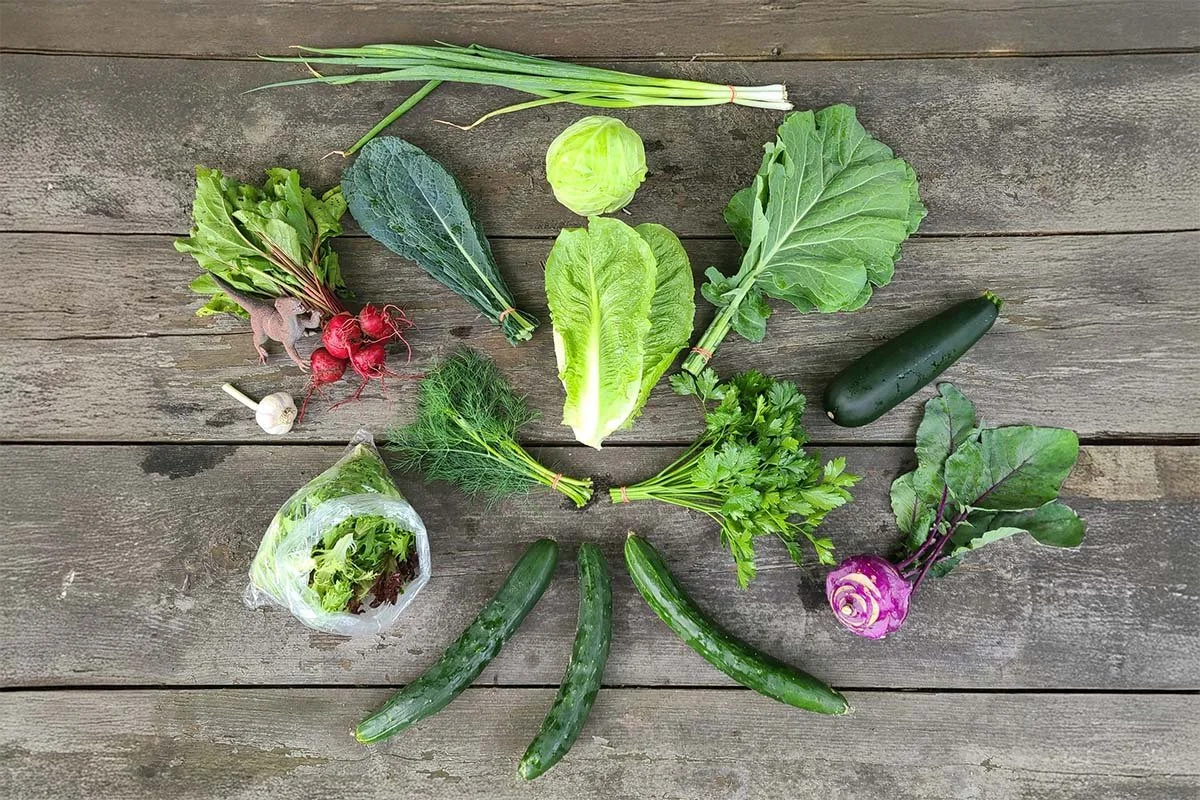
New focus on unique viewpoints and first-hand experience: Google and AI programs are putting a stronger emphasis on detailed, expert, first-hand experiences, rather than regurgitating what is already common knowledge. For example, write a blog post on “5 ways we like to use kohlrabi from our CSA” rather than “5 ways to use kohlrabi”. Rather than recycling what already exists on the internet about a topic, write about it based on what you know.
How search engine optimization (SEO) works
Google chooses what to show first on a webpage for any given search term based on five factors:
Meaning: Google’s algorithm anticipates the intent behind a query. If you search “grassfed beef”, you’re not going to get served pages with technical advice about raising beef on pasture. But if you searched “raising grass-fed beef”, you would.
Relevance: A signal to Google that information is relevant is when content contains the same keywords as your search query. For example, if those keywords appear in the headings or body text of a webpage, the information might be more relevant.
Quality: Signals that can help determine which content demonstrates expertise, authoritativeness, and trustworthiness. Like links from other authoritative websites linking to your website on a topic.
Usability: Their systems look at page experience aspects like mobile-friendly content that loads quickly, an important consideration for mobile users
Context: Google uses information such as your location, past Search history, and search settings to determine what is most relevant for you in the moment. For example, if you search “beef farms”, you will likely get a map of farms that Google thinks sell beef in a 100-mile radius of you.
Determining a primary keyword for your farm
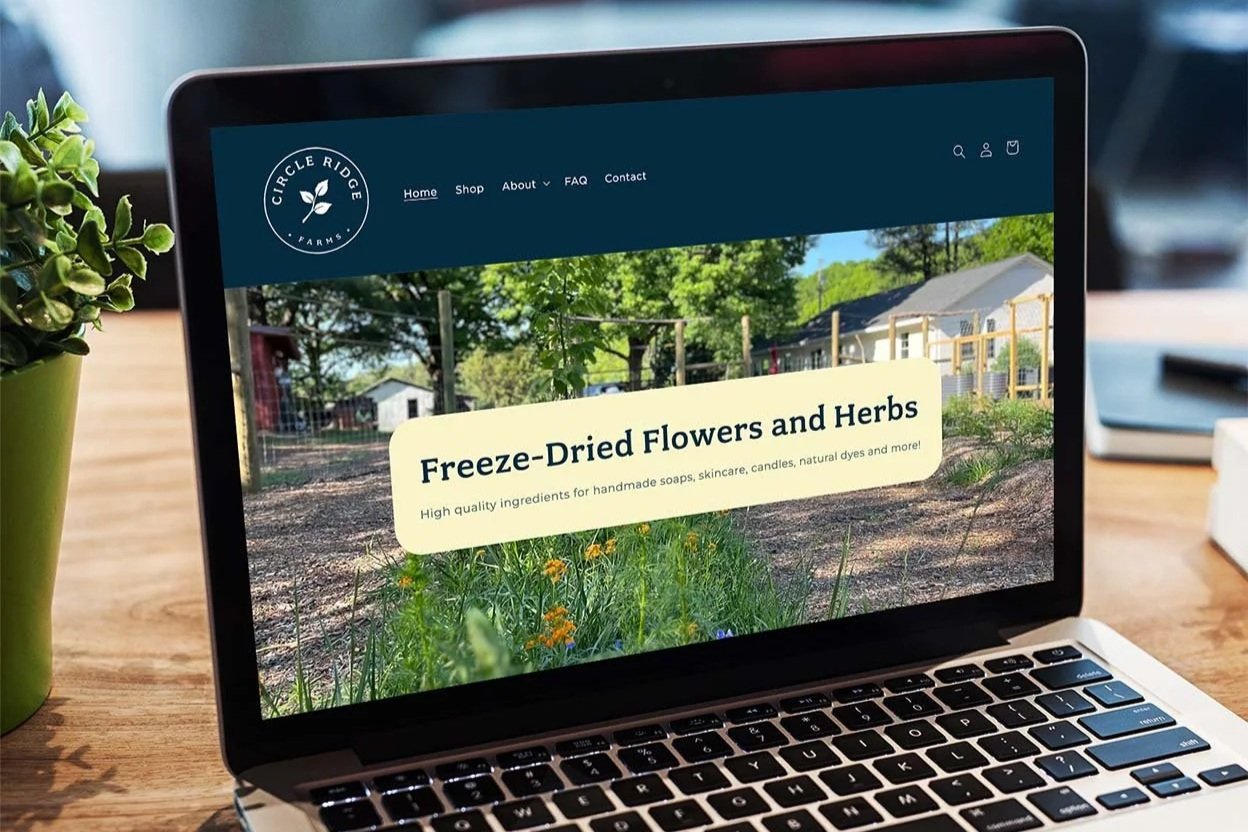
The prevalence of a keyword in prominent places on your farm’s website is still the #1 indicator to Google and AI programs to show your website for people searching for information on that topic. Knowing what you want to rank for is the first step toward improving your rankings.
Your “primary keyword” should be a phrase that is 3-4 words that encompasses what you offer and where (if your farm sells locally or regionally). The idea here is to pick the single most useful phrase — the one that the average customer is most likely to use when searching in general for a business like yours.
Examples:
Jacksonville Organic Farm
Vermont Grass-fed Beef
Northern Indiana Pastured Meat
Michigan U-Pick Blueberries
Local Produce & Meat Delivery
Pitfalls to avoid:
Making your primary keyword too long. Keep it less than 4 words.
Focusing on words that you use to describe your farm/offerings, but your consumers don’t really use (i.e. grass-fed holsteins vs grass-fed cows)
Choose 2-3 secondary keywords
Your secondary keywords should be other, less central offerings of your farm. Here, you can assume that the location is implied.
Examples:
Grass-fed beef
Raw milk
Things to do in (your town name)
Pitfalls to avoid:
Picking too many secondary keywords disproportionate to the amount of content on your website. The more keywords you try to focus on, the more blog posts/articles/pages with quality content on those topics you will need to really rank for them.
Making them too specific or niche, unless your primary business offerings are really niche!
5 tips for using keywords on your website
1. Use the keyword
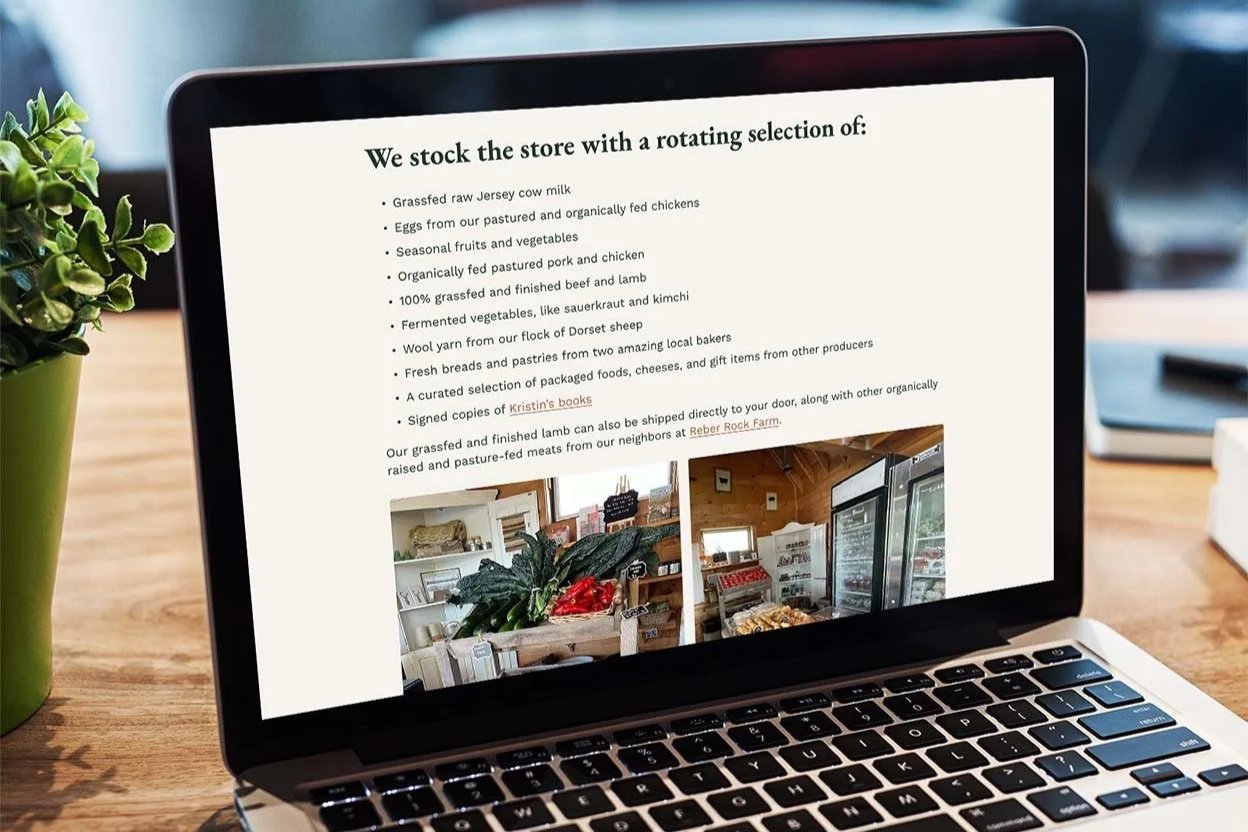
The biggest “secret” to SEO is to simply use the phrase in a meaningful way. Use it in headings and subheadings, upload images of it, make a page about it, use it in that page’s URL, talk about it in multiple ways, answer people’s questions about it, etc.
2. But avoid keyword stuffing
Repeating keywords excessively can lead to a poor user experience and may violate search engine guidelines. Instead, focus on naturally incorporating relevant keywords into your content without forcing them. Focus on producing quality content that meets user needs rather than strictly adhering to keyword frequency.
3. Utilize keywords in titles and descriptions
Incorporate relevant keywords in your page titles and meta descriptions. This helps both users and search engines understand the content of your page at a glance, potentially improving click-through rates from search results.
4. Vary your keywords
Instead of relying on the same keyword repeatedly, use variations and synonyms related to your main keywords. This not only enriches your content but also helps capture a broader audience. Search engines are good at understanding context and can rank your page for related terms.
5. Make your site interesting and useful:
According to Google, creating content that people find compelling and useful is the strongest way to influence your website's presence in search results. What makes something “compelling and useful”:
The text is easy to read and well-organized. Break up long content into paragraphs and sections, provide headings to help users navigate your pages, and use bullet lists as appropriate to help with skimmability.
The content is unique and up-to-date. When you're writing new content, don't copy others' content in part or in its entirety. Check in on previously published content and update it as needed, or even delete it if it's not relevant anymore.
The content is what Google calls “helpful, reliable, and people-first”. Be sure that you're writing content that your readers will find helpful and reliable.
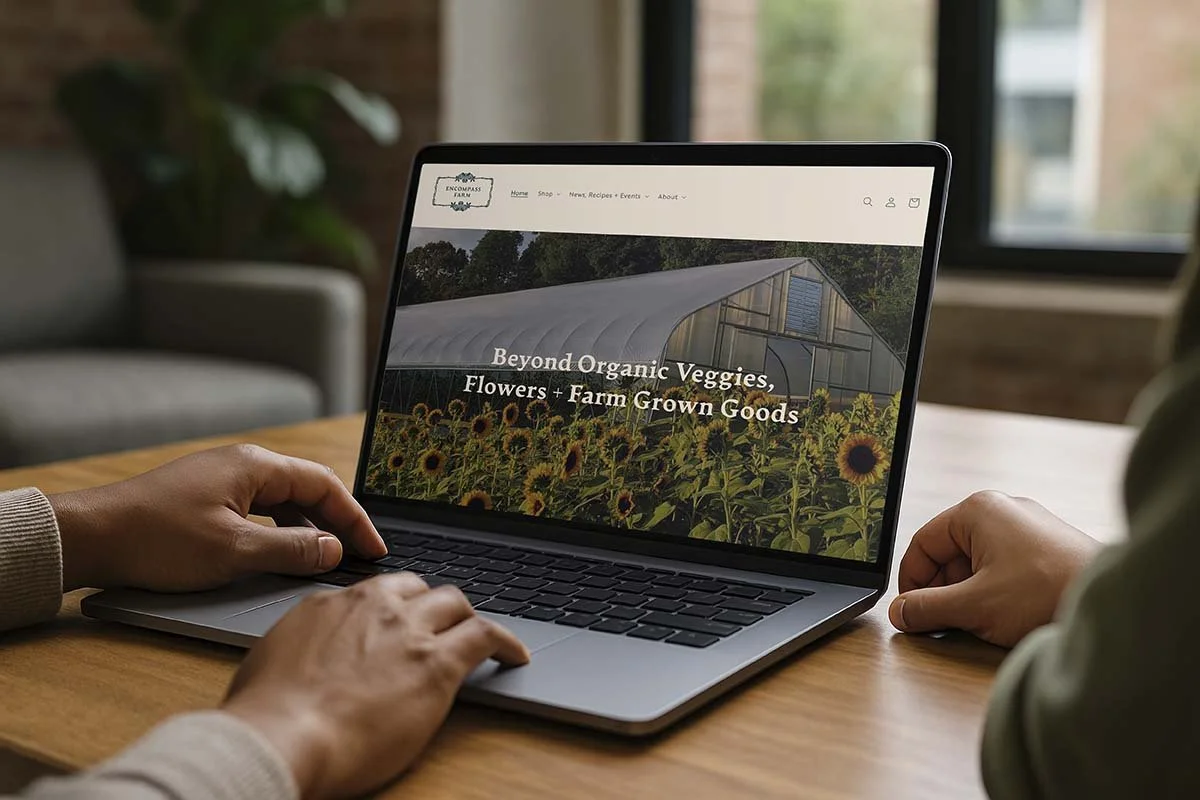
See how it all comes together on the SEO optimized farm websites we’ve worked on over the years. Ready to get started optimizing your website? Get in touch with our team of experts to talk about the next steps for optimizing your website.
Ready to take your marketing to the next level?
Join the dozens of other farms who partner with Grapevine!

More Farm Marketing Resources